Engineered wood siding: The Cost of Replacing Siding Explained
Siding quotes near me: Specialist Exterior Panel Repair Can Boost Your Home'S Curb Appeal And Safeguard It From Weather Condition Damage
Kinds Of Siding Materials
When it pertains to siding repair, understanding the various kinds of siding materials can make a world of difference. Ever discovered how some homes use their siding like a badge of honor, while others seem to have problem with peeling, breaking, or warping? That's due to the fact that each product has its own quirks and quirks demand tailored fixes. What are the usual suspects?
1. Vinyl Siding
Vinyl siding is typically the go-to choice for numerous homeowners due to its cost and low maintenance. But do not let the ease fool you-- vinyl can crack or become fragile with time, specifically in cold climates. Have you ever tapped on vinyl siding and heard a hollow sound? That's generally a sign that repair work are sneaking in your future. The bright side? Fixing vinyl normally implies replacing just the damaged panels rather than the entire wall.
2. Wood Siding
Wood siding holds a timeless appeal, evoking images of relaxing cabins or timeless cottages. Yet, it's a double-edged sword; moisture and bugs can turn this beauty into a maintenance headache. If you have actually ever spotted peeling paint or soft spots, you're taking a look at early indication. Addressing wood siding damage quickly prevents rot from spreading out like wildfire. Remember, a little sanding and caulking can sometimes work marvels, but extensive damage may require full plank replacements.
3. Fiber Cement Siding
Fiber cement is the chameleon of siding products-- it imitates wood, stone, or stucco with surprising accuracy. Resilient and fireproof, it's a favorite amongst those wanting longevity. Its tough outside isn't immune to cracks or chips. Repairs frequently include patching and repainting, but beware: incorrect repairs can lead to water infiltration, the arch-nemesis of all siding. Have you ever seen a small crack masquerade as safe, just to expose a soggy problem behind the scenes?
4. Metal Siding
Metal siding, whether aluminum or steel, shines with modern appeal and durability. Damages from hail or unexpected impacts can mar its surface area. Rust is another bad guy lurking if protective coatings wear thin. Timely repairs, including sealing and repainting, can stop corrosion in its tracks. Disregarding these signs? That's like leaving a tiny hole in a ship's hull and hoping it won't sink.
Common Signs Suggesting Siding Repair Requirements
- Fractures or splits in panels
- Fading or peeling paint
- Warping or buckling surface areas
- Soft or rotted areas in wood
- Damages or rust spots on metal
- Loose or missing pieces
Quick Contrast Table of Siding Materials
| Material | Resilience | Upkeep | Repair Intricacy |
|---|---|---|---|
| Vinyl | Moderate | Low | Easy |
| Wood | Variable | High | Moderate to Complex |
| Fiber Cement | High | Moderate | Moderate |
| Metal | High | Moderate | Moderate |
Unraveling one of the most Frequent Siding Damage
Have you ever discovered the subtle cracks creeping along your home's exterior, just to dismiss them as safe? Those small fissures are frequently the very first whispers of more substantial difficulty. Weather condition's relentless assault-- from hail to scorching sun-- can require siding to warp, split, or even decay.
Secret Perpetrators Behind Siding Wear and Tear
- Wetness Intrusion: Water sneaking behind siding panels can cause rot and mold, particularly if your home's drainage isn't ideal.
- UV Radiation: Sunlight can fade colors and weaken materials, making them fragile over time.
- Physical Effect: From roaming baseballs to tree branches, impacts leave dents or holes that compromise siding's integrity.
- Insect Problem: Termites and carpenter ants can quietly feast on wooden siding, leaving behind structural vulnerabilities.
Recognizing Indications Before They Intensify
Envision walking past your home and identifying a spot where the paint peels like old parchment-- what's actually taking place there? Peeling paint often signifies trapped wetness underneath the surface area, suggesting that water has actually breached the siding's protective barrier.
Another tricky indicator is warping. When boards twist or bow, it's not simply a visual flaw; it indicates extended exposure to wetness or heat. Overlooking this can welcome pests and speed up decay.
Specialist Tips to Identify and Prevent Surprise Damage
- Routine Evaluations: Walk your home's border every season, looking for loose or cracked panels.
- Tap Screening: An easy knock can expose hollow areas indicating rot or insect activity.
- Preserve Proper Drain: Ensure rain gutters direct water far from siding to minimize wetness accumulation.
- Ventilation Matters: Proper airflow behind siding avoids condensation that causes mold and rot.
The Domino Effect of Neglected Siding Damage
Letting a minor fracture remain is like leaving a door ajar for unwelcome visitors. Moisture, pests, and temperature changes make use of these vulnerabilities, turning little repair work into substantial remediation jobs. Once paint peels and wood warps, the underlying structure often suffers quietly, concealed from plain view but shouting in need of attention.
Vital Tools for Precision in Siding Repair Work
When dealing with siding repair, the right tools change an overwhelming job into a manageable project. Imagine attempting to pry off harmed siding with a screwdriver-- frustrating, inefficient, and likely to cause more damage than great. Rather, a cat's paw or a specialized siding elimination tool slides underneath the boards with ease, sparing the surrounding material.
Here's a compact arsenal every property owner or specialist must have:
- Utility knife: For scoring and cutting vinyl or fiber cement siding with surgical precision.
- Hammer and crowbar: Important for thoroughly getting rid of nails and separating boards without splintering.
- Caulking weapon: To seal gaps and prevent water seepage, because moisture is the quiet enemy of any siding.
- Determining tape and chalk line: For exact cuts and alignment-- absolutely nothing screams 'amateur' like crooked siding.
- Power drill: Accelerate fastening and can be coupled with a variety of bits to take on various siding materials.
- Level: Ensures your siding sits perfectly straight, preventing those subtle angles that develop into eyesores over time.
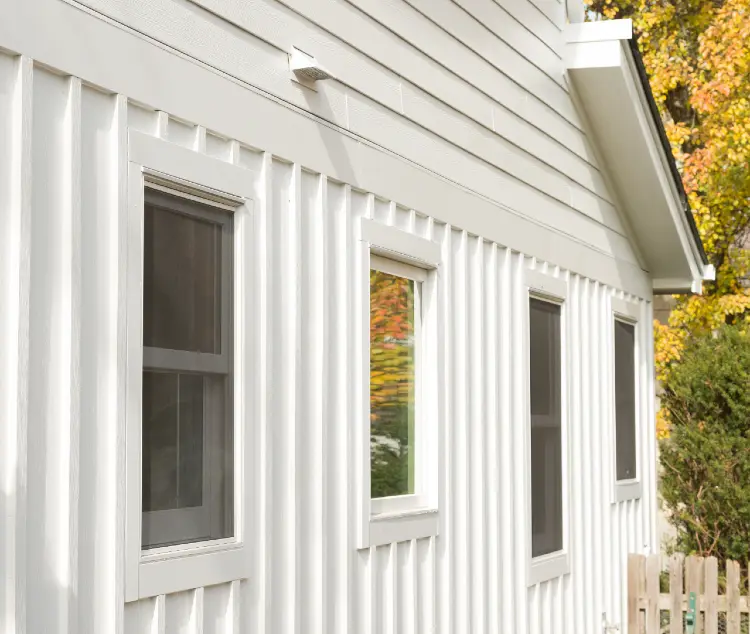
Materials That Make or Break Your Repair work
Picking the ideal products isn't almost matching colors or designs; it's about longevity and compatibility. Vinyl siding replacement panels, wood slabs, fiber cement boards-- all have special qualities that demand respect.
Ever tried to spot a section with mismatched product? It resembles covering a hole in a canvas with paper-- short-term and aesthetically jarring. Here's a quick rundown of what to consider:
| Product Type | Finest Use | Secret Attributes |
|---|---|---|
| Vinyl | Residential homes with moderate weather direct exposure | Low maintenance, colorfast, however can break in extreme cold |
| Wood | Traditional or rustic aesthetic appeals | Requires routine sealing; vulnerable to rot and insects if ignored |
| Fiber Cement | Resilient alternative for high-moisture environments | Fireproof, heavy, requires carbide-tipped tools for cutting |
Professional Tips for Material Handling and Setup
Here's a nugget numerous ignore: constantly adapt fiber cement siding before setup. Let those panels sit in the environment where they'll be installed for a minimum of 48 hours. This easy step avoids warping and guarantees a tight fit.
Also, never ever ignore the power of a well-placed bead of top quality exterior read more caulk. This can avoid the insidious creep of moisture behind the siding-- wetness that invites mold, mildew, and ultimate structural decay.
One final thought: when removing damaged siding, protect underlying insulation and sheathing. A gentle touch here saves hours of extra work and cash down the line.
Step-by-Step Repair Work Process
Ever discovered a persistent crack sneaking through your siding, whispering tales of water invasion? It's not simply an eyesore-- it's an open invite to rot and mold. Disregarding it can turn a minor repair into a gigantic headache. Let's break down the procedure of siding repair with accuracy and care.
1. Inspection and Preparation
Don't rush to rip off panels. Begin with a careful examination. Search for warping, loose nails, and concealed wetness beneath the siding. Use a moisture meter if you can-- it's a specialist's trump card. Preparation implies more than simply clearing debris; it involves securing close-by plants and surfaces from dust and paint.
2. Getting Rid Of Damaged Areas
Here's where the skill is available in. Pry off broken sections carefully, preventing damage to surrounding pieces. A siding elimination tool or zip tool can make this a breeze, avoiding unnecessary damage. Remember, the objective is to preserve the stability of the structure below.
3. Cutting and Fitting Replacement Panels
Accuracy is whatever. Step twice, cut once. When cutting replacement siding, slightly bevel the edges to guarantee water sheds correctly. This little detail typically gets neglected however can avoid future water damage. Also, stagger the seams to mimic the initial pattern for a smooth look.
4. Protecting and Sealing
Use galvanized nails to prevent rust, and never drive nails too tight; permit some wiggle space for expansion. Sealing is your final guardian-- apply a high-quality, paintable caulk around edges and joints. This obstructs wetness and keeps insects at bay. Remember, even the smallest gap can become a gateway for damage.
Expert Tips
- Constantly repair work siding on a dry, mild day-- humidity can affect paint adhesion and caulk treating.
- Use a level to make sure each panel lines up perfectly; crooked siding is more than an aesthetic defect-- it suggests possible structural issues.
- Keep a replacement panel or 2 on hand for future fast repairs-- nothing beats preparedness.
Common Pitfalls to Prevent
| Misstep | Why It Matters | Pro Advice |
|---|---|---|
| Overdriving nails | Restricts siding growth, causing buckling | Leave about 1/32 inch clearance in between nail head and siding |
| Skipping moisture check | Missed water damage leads to hidden rot | Use moisture meter before installation |
| Disregarding flashing | Water permeates behind siding, triggering decay | Inspect and fix flashing throughout siding replacement |
Have you ever questioned why some siding repairs fail within months? The devil lies in the details: incorrect sealing, negligent nailing, or ignoring moisture problems. When carried out with proficiency, siding repair not only restores your home's charm however fortifies it against the elements for several years to come.